Ever feel like eating healthy requires a second mortgage and a PhD in biochemistry? You've seen the "superfood" trends. One week it's a rare berry from the Amazon, the next it's a $15 jar of fermented swamp water. It's exhausting. But here's the reality: the most powerful tools for your long-term health are likely sitting in your pantry right now. Best nutrition isn't about exotic imports. It's about the boring, reliable, everyday staples that provide the foundation for a long life. We're going to look at the simple items that actually move the needle on your wellness.
Foundational Fuel Through Grains and Fiber
If you've been avoiding carbohydrates, you might be missing out on the single most important nutrient for longevity: fiber. We call it the master nutrient for a reason. Recent data shows that a staggering 95% of people aren't hitting their daily fiber targets. In 2026, we've moved past just "regularity." We now know that fiber is the primary fuel for your gut microbiome. A healthy gut is linked to a 407% increase in the prevention of early-onset Alzheimer’s. That's a massive benefit from something as simple as a bowl of oats.
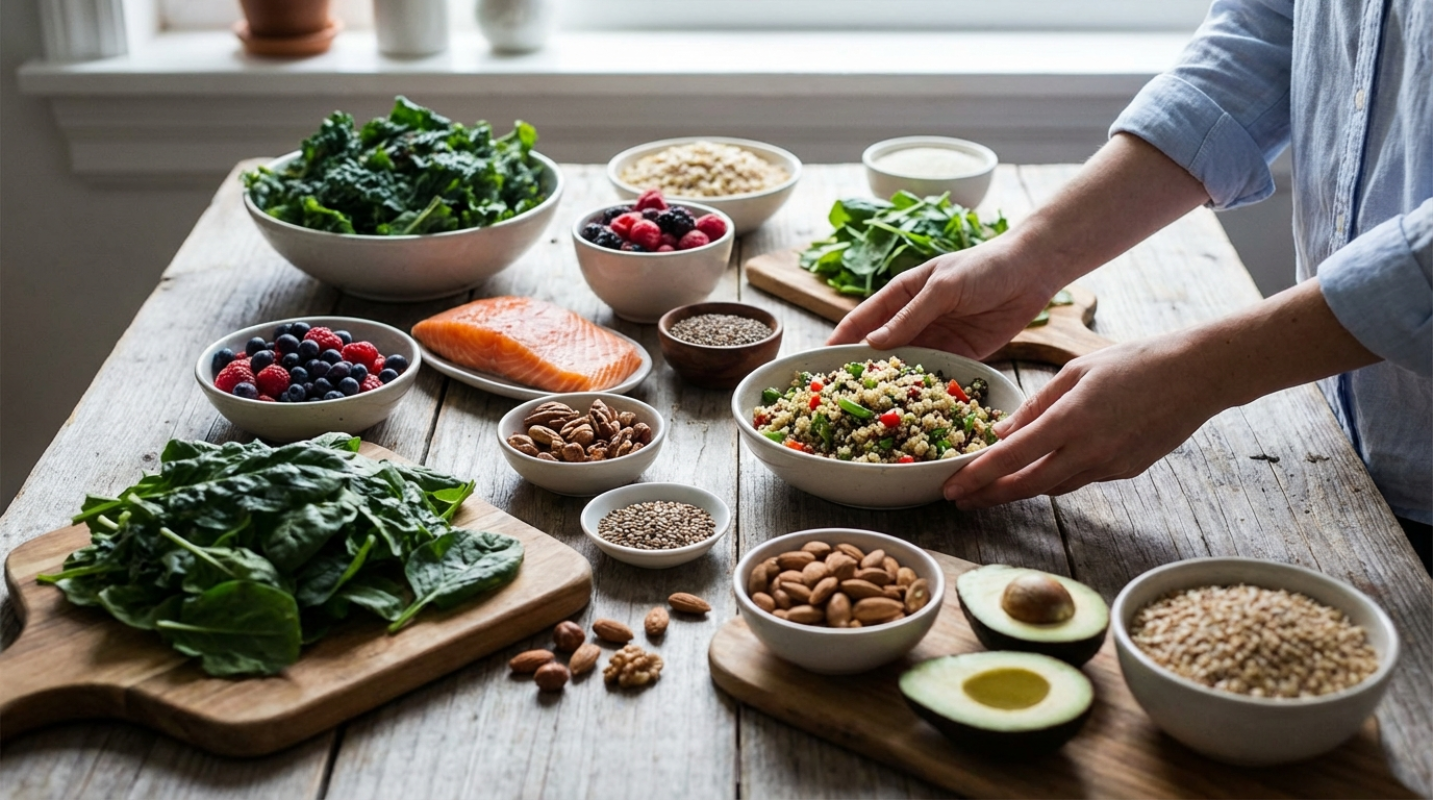
You don't need fancy grains to get these benefits. Old-fashioned oats, brown rice, and quinoa are nutrient goldmines. They're packed with B vitamins and magnesium, which is a mineral roughly half of us are deficient in. Magnesium is involved in over 300 reactions in your body, helping to regulate blood pressure and keep your nervous system from redlining. By choosing these complex carbs over refined white flours, you're stabilizing your blood sugar and slashing your risk of chronic metabolic diseases. It's a simple swap with a huge payoff.
Protein Pillars for Staying Strong
As we get older, our bodies get less efficient at maintaining muscle. This isn't just about looking good at the beach. It's about preventing sarcopenia, which is the age-related loss of muscle mass that leads to frailty. Experts now recommend that adults over 40 aim for 1.0 to 1.2 grams of protein per kilogram of body weight. So how do you get there without spending a fortune on steak? You look at the humble pillars of protein: eggs, lentils, and beans.
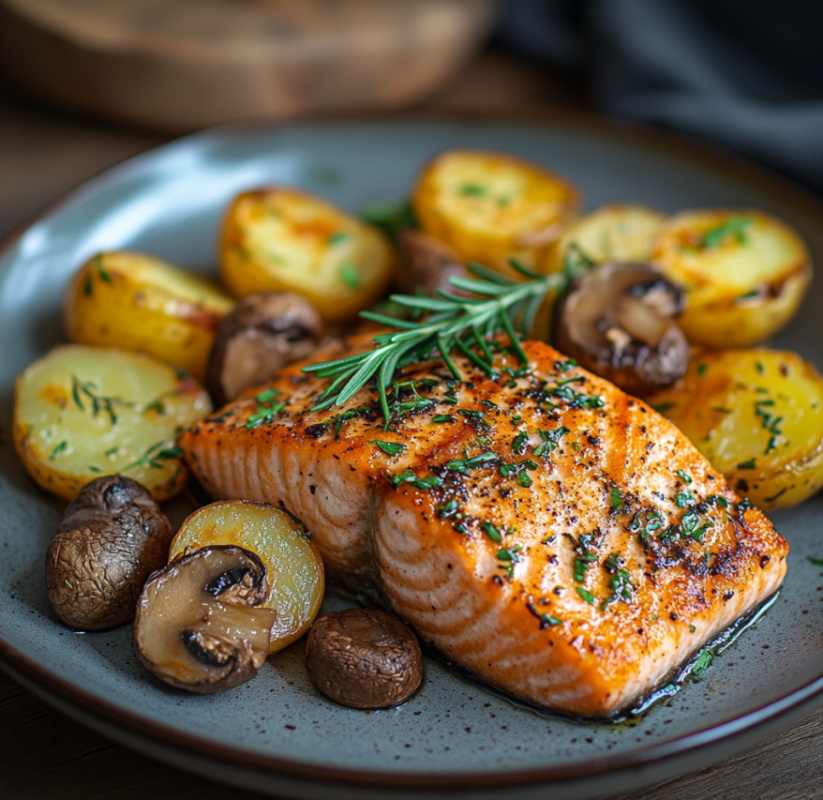
Plant-based proteins are finally getting the respect they deserve in 2026. Lentils, like, give you a massive 15 grams of fiber per cup along with a heavy hit of protein. They're shelf-stable, cheap, and incredibly versatile. If you're a meat eater, affordable cuts of poultry or fatty fish like sardines provide needed amino acids without the heavy price tag of premium cuts. These proteins keep you full longer and provide the literal building blocks your body needs to repair itself every single day.
Why You Must Color Your Plate
You've heard the advice to "eat the rainbow" a thousand times, but do you know why? It's about phytonutrients. These are the compounds that give plants their color and protect your cells from damage. A major study from a couple of years ago found that specific compounds in everyday veggies can actually slow your "epigenetic clock," making your cells act younger than your chronological age.⁴ Think about that. Eating spinach and carrots isn't just "good" for you; it's a way to influence how you age at a cellular level.
Dark leafy greens like kale and spinach are loaded with Vitamin K and folate, which matter for bone density and brain health. Berries are another heavy hitter. They contain anthocyanins, which are antioxidants that protect your heart and brain from oxidative stress. If you want to get the most out of these foods, eat them with a little bit of fat. A drizzle of olive oil on your greens or some nuts with your berries helps your body absorb those fat-soluble vitamins like A, D, E, and K. It's a small trick that doubles the value of your meal.
- Cruciferous Veggies: Broccoli and cabbage contain sulforaphane, which helps your liver detoxify.
- Bright Roots: Carrots and sweet potatoes are packed with beta-carotene for immune health.
- Berries: Raspberries offer 8 grams of fiber per cup, making them a top-tier longevity food.
Healthy Fats for a Sharp Mind
The "low-fat" craze of the past did a lot of damage to our collective brain health. Your brain is about 60% fat, so you need the right kinds to keep it running smoothly. We're talking about monounsaturated and polyunsaturated fats. These are the "good" guys found in avocados, nuts, seeds, and olive oil. They don't just help your heart; they're needed for cognitive resilience. They help fight off the "brain fog" that many people assume is just a natural part of getting older.
Omega-3 fatty acids, specifically DHA and EPA, are the stars here. Most people have very low levels of these in their blood, which is a problem because they're key for long-term brain health. You can find them in fatty fish or plant-based sources like ground flaxseeds and chia seeds. Even peanut oil and cocoa butter contain beneficial fatty acids like arachidic acid that protect your heart tissue. These fats act like a lubricant for your cardiovascular system and a shield for your neurons.
This article on cafebono.com is for informational and educational purposes only. Readers are encouraged to consult qualified professionals and verify details with official sources before making decisions. This content does not constitute professional advice.

.jpg)