When you land in a new city, bleary-eyed from a long flight and dragging your suitcase, your first instinct is usually to find coffee. It’s a universal biological need for many of us. But if you pay attention, that simple quest for caffeine can tell you more about the place you are visiting than any museum guide or tour bus ever could. Coffeehouses are not just refueling stations; they are the living rooms of a city. They are where business deals are struck, where revolutions have been plotted, where romances begin, and where the elderly gather to gossip. The way a culture consumes coffee reflects its values, its pace of life, and its social structure. For a traveler, stepping into a local cafe is the quickest way to shed the identity of a tourist and slip into the rhythm of local life. It is an open invitation to stop looking at the city and start being in it.
The Grandeur of the Viennese Living Room
If you visit Vienna, Austria, you quickly learn that coffee is not a beverage to be chugged in a paper cup while running for a train. In Vienna, the coffeehouse (or Kaffeehaus) is an institution so vital it is listed as UNESCO Intangible Cultural Heritage.
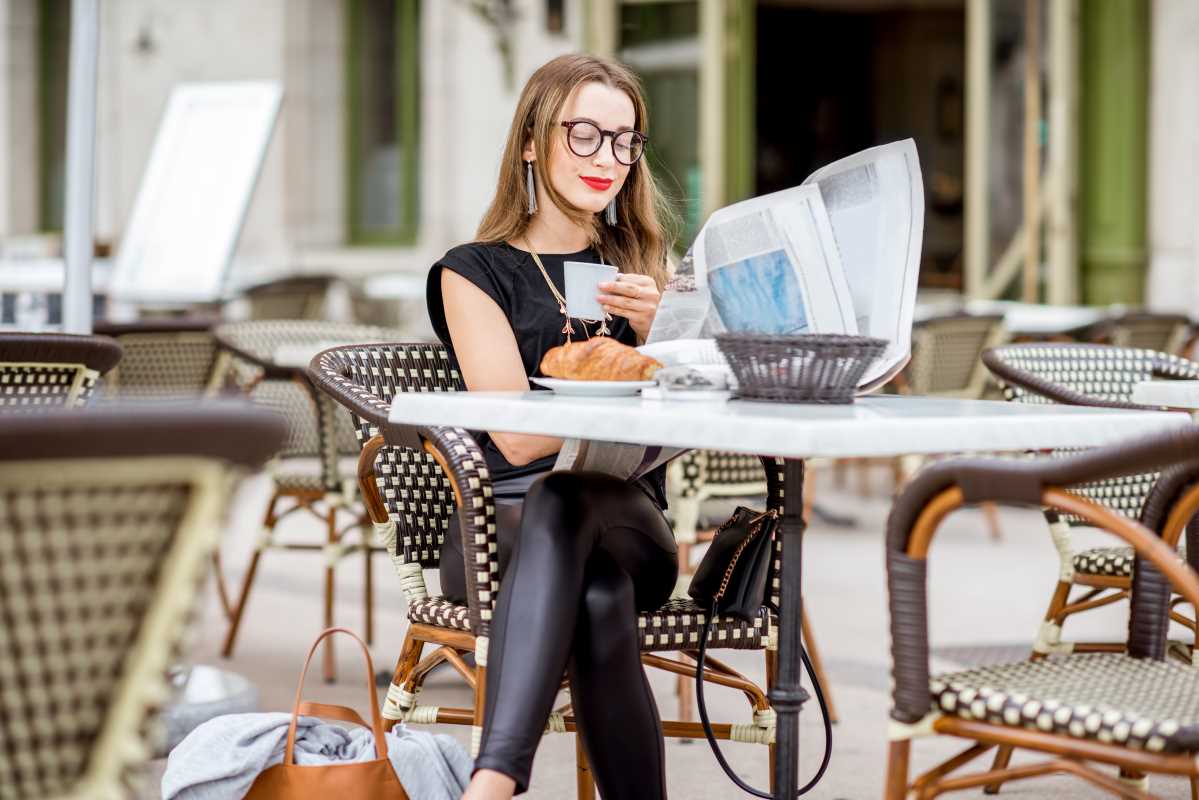
Here, the culture is defined by time—specifically, the abundance of it. When you order a Melange (similar to a cappuccino), it arrives on a silver tray with a glass of water. That glass of water is a signal. It means you are welcome to stay for hours. You can read an entire newspaper, write in your journal, or debate philosophy with a friend, all for the price of one cup. The waiters, dressed in formal waistcoats, will never rush you.
For the traveler, this shapes the identity of the trip. A visit to Vienna isn't about rushing from sight to sight; it’s about sitting still. It forces you to slow down, adopt a posture of elegance, and observe the world around you. You aren't just a customer; you are a guest in the city’s collective living room.
The High-Speed Theatre of Italy
Cross the border into Italy, and the coffee identity shifts dramatically. In cities like Rome or Milan, coffee is a fast-paced ritual, a quick jolt of energy that fuels a vibrant, chaotic life.
The center of the action is "al banco"—at the bar. Italians rarely sit down for their morning espresso. Instead, they stand at the marble counter, shoulder-to-shoulder with strangers. The barista moves with the speed and precision of a Formula 1 pit crew, clanking saucers and pulling shots in seconds. You drink your espresso in two or three sips, exchange a few words with the barista or your neighbor, pay a coin or two, and leave.
For a traveler, adopting this habit makes you feel like an insider. Sitting at a table often costs more (a "coperto" or service charge), marking you instantly as a tourist. Standing at the bar, however, puts you in the flow of the local workforce. It teaches you that in Italy, social interaction is frequent, loud, and energetic, but efficient.
The Street-Side Energy of Vietnam
In Vietnam, coffee culture spills out of the shop and onto the sidewalk. The country is the second-largest coffee producer in the world, and they have developed a coffee culture that is uniquely their own, often built around the strong, dark Robusta bean.
In cities like Hanoi or Ho Chi Minh City, the iconic experience is sitting on a tiny plastic stool on the street corner, watching the mopeds buzz by. You might drink a Cà Phê Sữa Đá, a potent mix of strong drip coffee and sweet condensed milk over ice.
This isn't about the quiet elegance of Vienna or the speed of Italy; it’s about immersion in the chaos. The coffee shop here has no walls. The noise of the city, the humidity, and the smells of street food are all ingredients in your coffee break. It teaches the traveler that life in Vietnam is communal and public. People don't hide away indoors; they live their lives out in the open, and joining them on that plastic stool is the ultimate act of participation.
The Mandatory Pause of "Fika" in Sweden
Head north to Sweden, and you encounter Fika. To call this a "coffee break" is an insult. Fika is a social institution, a mandatory pause in the day to reset. It is almost never done alone, and it almost always involves a pastry, usually a cinnamon bun (kanelbulle).
In many other countries, grabbing coffee with a colleague is often a way to keep working while talking. In Sweden, Fika is about stopping work entirely. It is a moment to prioritize well-being and connection over productivity.
For a traveler exploring Scandinavia, embracing Fika offers a window into the Nordic value of work-life balance. It isn't just about the caffeine; it’s about the deliberate act of slowing down to appreciate the moment. It changes your travel itinerary from a checklist of tasks to a series of cozy, comfortable pauses.
Tips for Immersing Yourself in Coffee Culture
If you want to use coffeehouses to deepen your travel experience, you have to be intentional. It is easy to find a global chain where the menu looks exactly like it does at home, but that is a wasted opportunity.
1. Observation is Key: Before you order, stand back and watch. Do people pay first at a register and then take a receipt to the bar (common in Italy)? Do they bus their own tables? Do they wait to be seated? Mimicking the locals is the best way to show respect and avoid awkwardness.
2. Order the Local Specialty: Don't ask for a 20-ounce iced vanilla latte in a traditional Parisian café. Ask what the house specialty is. In Australia, try a Flat White. In Turkey, order Turkish coffee and remember not to drink the sludge at the bottom! Tasting the local preference helps you understand the local palate.
3. Put the Phone Away: In many of these cultures, the coffeehouse is a place for connection or contemplation. Staring at your phone builds a wall between you and the environment. Bring a book, or better yet, just people-watch. You will see interactions and details you would have missed if you were scrolling through social media.
4. Ask Questions: If the cafe isn't too busy, ask the barista about the beans or the method. People love sharing their craft. You might learn that the cafe has been in the family for three generations, or that the beans are roasted down the street. These stories become the best souvenirs of your trip.